Tax Help Guy Logo

TAX ARTICLES

Tax Help Guy Articles

Deidentifying Patient Records Before Using AI

Protect PHI, stay HIPAA-safe, and keep only the clinical facts you need analyzed.

Published: December 3, 2025

"Why and how to deidentify patient records before sending them to AI tools. Steps, risks, and ready-to-use prompts."

Tax Help Guy
Tax Help Guy
December 3, 2025

Deidentifying Patient Records Before Using AI

Protect PHI, stay HIPAA-safe, and keep only the clinical facts you need analyzed.

Why it matters

  • PHI must not be shared with non-HIPAA-compliant tools.
  • AI systems may retain inputs; stripping identifiers reduces exposure.
  • Clean summaries yield clearer clinical insights without personal data.

What to remove

  • Names, addresses, phone, email, MRN, insurance IDs.
  • Dates of birth, admission/discharge dates (generalize to month/year).
  • Facility names, provider names, room numbers.
  • Free-text details that could re-identify (employer, rare conditions tied to locale).

Safe structure to send

  • Demographics → age range only (e.g., “60s”), sex if relevant.
  • Problem list → deidentified, grouped diagnoses.
  • Meds/labs/imaging → keep clinical values, strip identifiers.
  • Timeline → relative wording (“Day 1”, “Day 3”) instead of calendar dates.

Sample prompt to deidentify first

You are a privacy scrubber. Remove all PHI/PII from the note below: names, contact info, MRNs, addresses, dates (convert to relative day counts), provider names, facility names, and any rare-identifying details. Return a cleaned version preserving clinical content only. Then summarize key problems and next steps.

Sample prompt for analysis (after scrub)

Review the deidentified clinical note. List: (1) key diagnoses with severity, (2) medication safety issues, (3) missing labs/imaging to order, (4) red flags needing escalation, (5) a concise patient-friendly plan.

TAX ARTICLES

Articles written by AI
curated by Joseph Stacy.

Anyone may arrange his affairs so that his taxes shall be as low as possible; he is not bound to choose that pattern which best pays the treasury. There is not even a patriotic duty to increase one's taxes. Over and over again the Courts have said that there is nothing sinister in so arranging affairs as to keep taxes as low as possible. Everyone does it, rich and poor alike and all do right, for nobody owes any public duty to pay more than the law demands.


Judge Learned Hand
Chief Judge of the United States Court of Appeals
for the Second Circuit
Gregory v. Helvering, 69 F
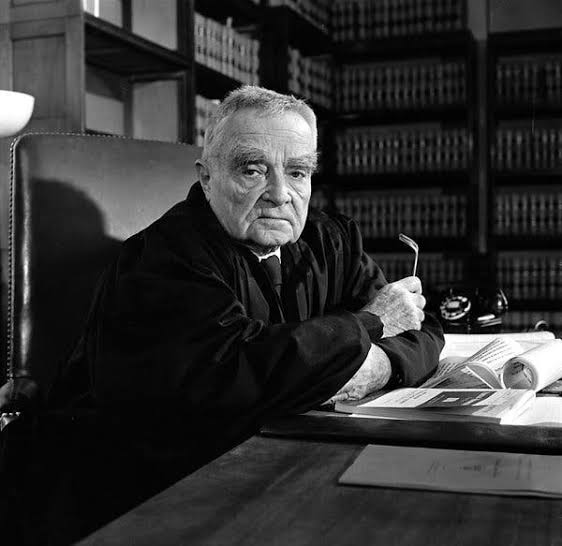
Judge Learned Hand

Text anytime!

Joe "Tax Help Guy"
951 203 9021


Download my contact info